Steve`s Country
For a smile as wide as a country sunrise
The Investigators, Inc. Nowhere. Chapter 5.
The next day Lena was up and walking around. Surprisingly she wasn’t hurt much, mostly some cuts and bruises, no broken bones. Her and Linnea had gone down the ladder before the explosion. Lena had fallen in some thick bushes which helped break her fall and kept her from getting too badly hurt. Unfortunately Linnea had hit a tree. One more day and we were all out of there and on our way to Japan. I sure hope this surgeon will be able to do something. Every so often there seems to be a shot of pain from that probe. But why? What is the purpose of all this? We had a stop along the way and stayed overnight in this huge hotel. I saw someone there who kept watching us.
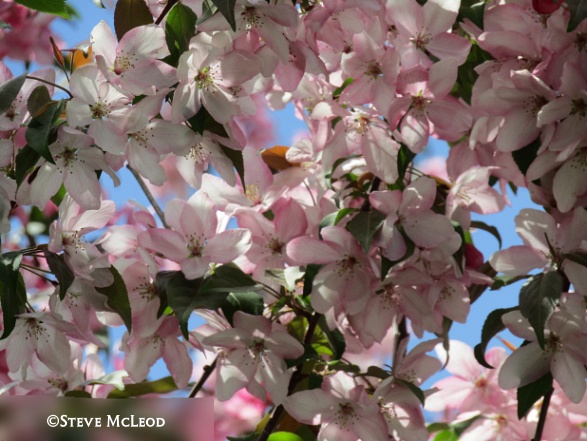
The cats noticed this too and told Baldwin, but he didn’t recognize the man and woman. Lena took a few pics of them just in case we can find out who they are. “It may not be anything,” I told Lena. “Then why are they so openly watching us?”, she asked. Baldwin didn’t like it, they were being open, that’s not normal. He took pictures of them also, and they didn’t seem to mind at all. That’s strange. Finally we are off again and this time it seemed to go quickly, here we are already landing. The cherry trees were all in bloom. That got the cats excited, they started talking about getting married here. Cats getting married? How I wish I was back to normal so I would know what was going on.
The next day I was to see the surgeon. Oddly, the day before he had gotten very sick and they don’t expect him to live. Oh no! He was my only hope! We talked with another surgeon, but any kind of brain surgery was not what he did. However, there was another surgeon who had retired, if anyone could remove this probe, he could. Perhaps some hope again? The hospital contacted him and he came in that afternoon. He examined me, I had an MRI done and other tests. What did he say in the end. “It’s serious,” he said, “leaving it would eventually destroy my brain. Removing it, however, could do the same thing.” He said it was my choice, he would do it right away if that’s what I wanted.
He also warned that there may not be any immediate changes, it could take a while. Apparently that probe has been giving me little shocks, which is why those times of extra pain. And it has done some damage, but how much he couldn’t say. But he thought that with time things would get back to normal. But he couldn’t promise that. So I could stay the way I am, get worse, or get better. But which? If it stays, I’m finished. Removing it at least gives me a chance. So that was my choice, get it out of there. In 2 hours I was on my way in to surgery. The cats spotted the people that would help. Meow,meow=These bad people, get different nurses. Lena told Baldwin and he was on it fast. You don’t argue with a man like Baldwin I have found out.
Though I knew him as Daniel, his middle name, though I thought that was his first name. The regular staff were brought in to help with the surgery. The cats said they were fine. The one nurse from the first group was visibly angry as they left. Everyone waited impatiently, finally it was all over. Then I was brought into my room, only Lena and the cats were allowed. It was a long time before I finally opened my eyes. The cats were snuggled in close to me, one on each side, Lena was sitting on a chair beside my bed. She is an amazing woman. She held my hand and smiled. “How do you feel Steve?”, she asked. I just stared for a bit and looked around the room. “Well,” I said slowly, “I’m nowhere and I want to scream.” Meow.=Muffin and me say we need to go home soon. Not safe here. “I tend to agree with that, but no matter where I am, I’ll be nowhere,” I said.
To Be Continued.
Pictures of Mr. Cat are kindly supplied by his human, Nina.
Previous chapters of this story and other stories can be found on my home page under “The Investigators, Inc.” and “20/20 Investigations, Inc.”
©2021 Steve McLeod.
Coffee Time #97. What To Do?
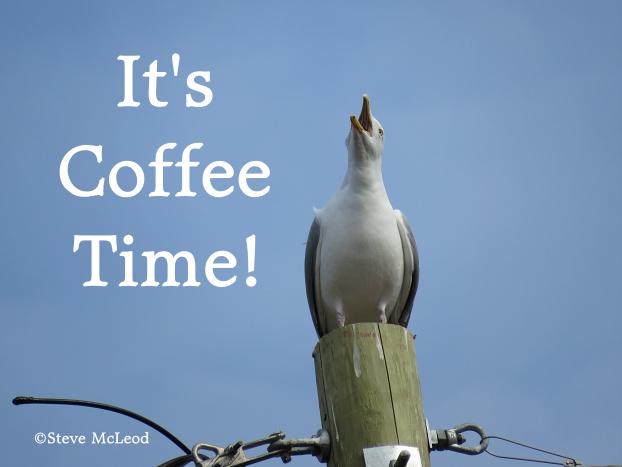
Good morning everyone! I hope you are all doing well today. The coffee is hot and ready for everyone, just help yourself and relax with us for a while. It’s a cool and very wet morning, although it isn’t raining at the moment, but we are still supposed to get more rain later on. That’s good. We needed the rain. It will help things to begin growing once we get back to some warmer weather again. That spring growth. It’s just so beautiful to watch as everything begins to grow once again adding that green color to the landscape and bringing new life into view. It’s a time of new hope for better things to come. I’m sure everyone is looking forward to that.
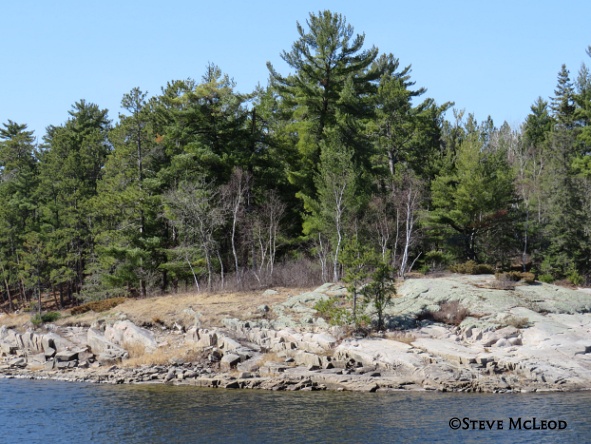
This virus and resulting restrictions has affected everyone in one way or another. It has gotten bad here again, worse than before actually. So we now have been placed under a stay at home order. Stores are closed, as are most all other businesses. But we can still go out for walks. That’s what people need. To get out for a walk. Even if it’s just a walk down your street. It helps immensely. However, I don’t really like walking in the rain. Good way to get wet. A warm summer shower is okay, it’s actually quite refreshing, even though I still get wet.
But when it’s cold and I get wet in the rain, that’s not quite so nice. Speaking of not nice. Bert, my “friendly” bear, is still coming around. Several times a day. I have fixed my bird feeder 3 times already, this morning he basically destroyed it. Sigh. I have come up with an idea that just might work to keep the feeder out of Bert’s reach. But I need some supplies. And the stores are closed until at least May 6. That’s too long to wait. I can’t stop feeding the birds until then, I won’t have any birds left, and they don’t come back that easily.
At least Bert hasn’t gone after the peanuts. So I can feed the chipmunks and squirrels. But this morning Bert discovered peanuts. So much for that idea. That one I can fix a little easier than the bird food however. It’s a beautiful morning, smells so fresh, and it’s spring! Put on a smile and enjoy the day! Happy Friday everyone and God bless!
Steve and Muffin.
©2021 Steve McLeod.

